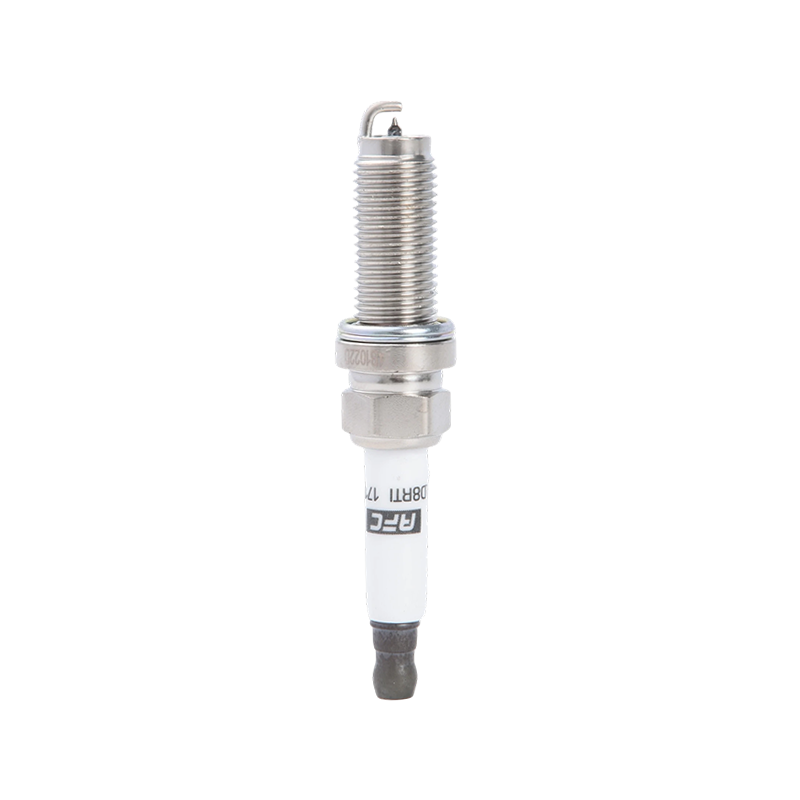
AFC 1717
LD8RTI
1717 LD8RTI Iridium Spark Plug OE206 For BUICK CHEVROLET 1.0T 1.3T
Iridium Spark Plug · Iridium Spark Plug For American Cars
Vehicles:BUICK CHEVROLET 1.0T 1.3T
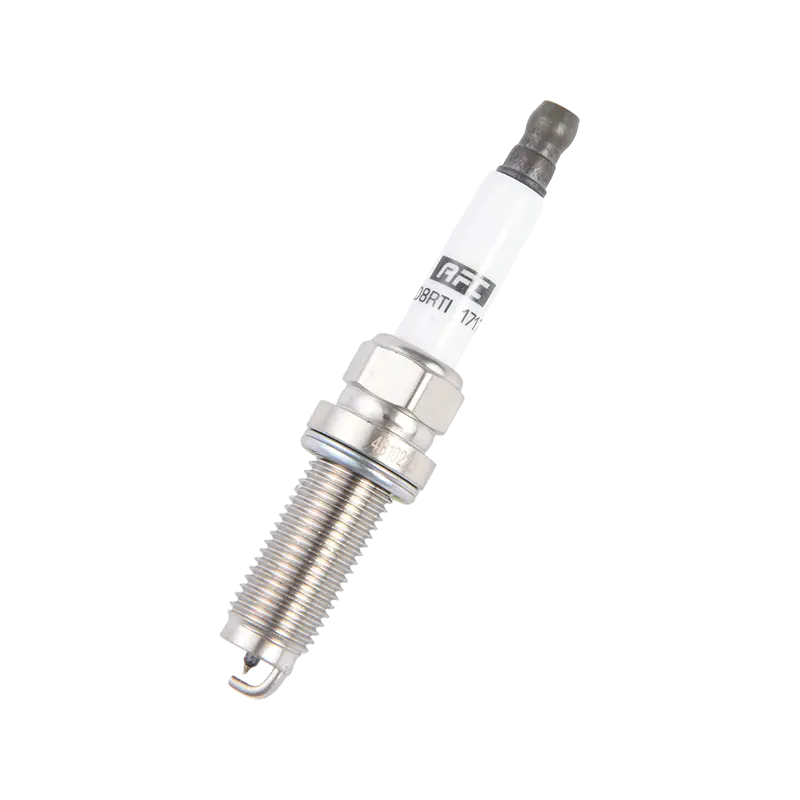
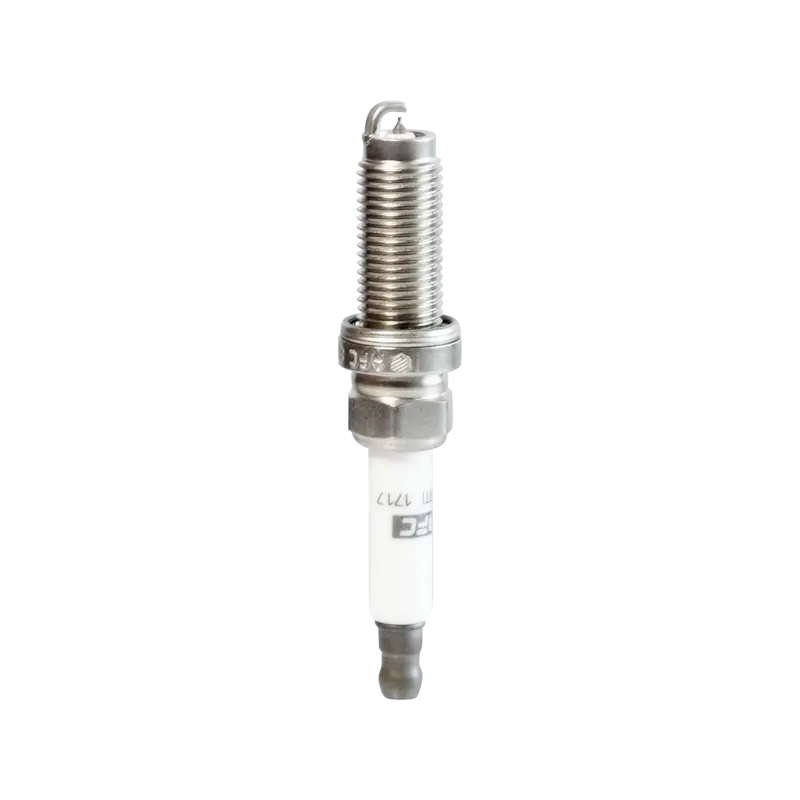
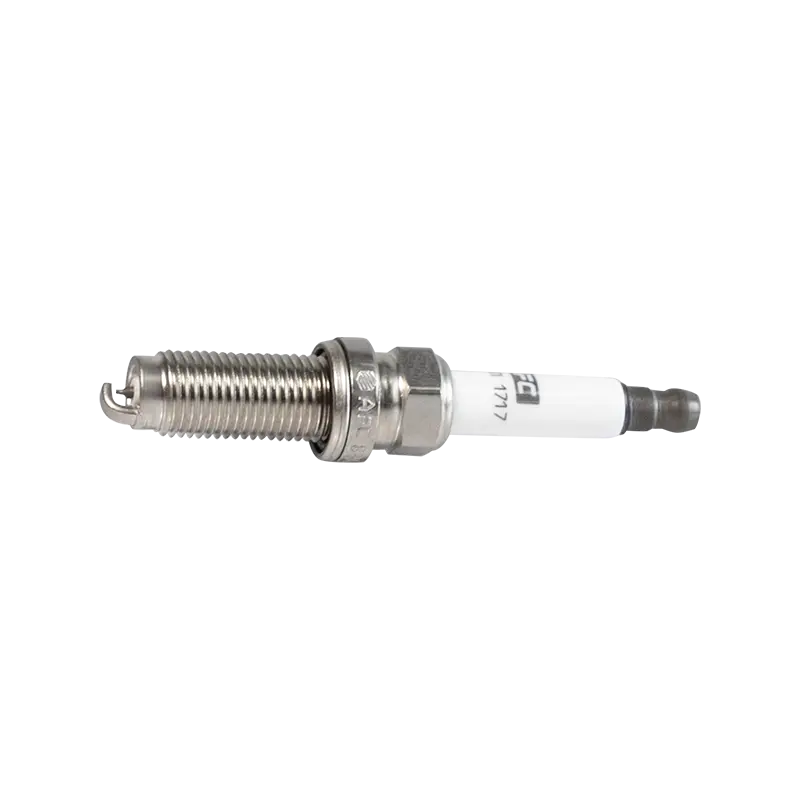
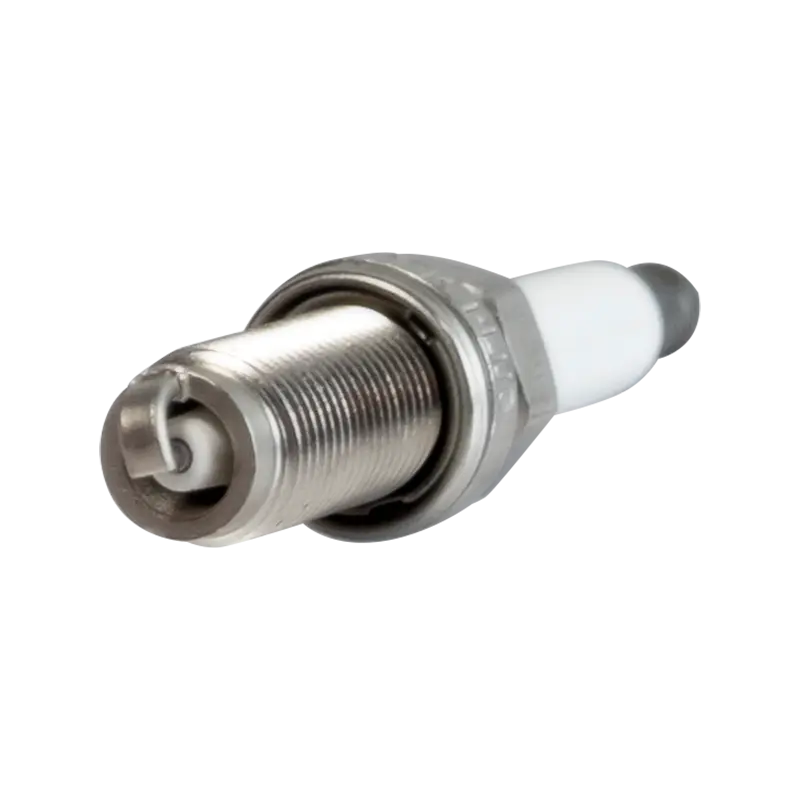
Specifications
| Item | AFC 1717 |
|---|---|
| Code | LD8RTI |
| Thread diameter | 12mm |
| Thread pitch | 1.25mm |
| Seat type | Gasket |
| Reach | 26.5mm (1.043") |
| Terminal type | Solid |
| Overall height | ISO |
| Gap | 0.7mm (.028") |
| Torque | 20N.m |
| Center electrode material | Iridium |
| Center electrode type | Standard |
| Center electrode size | 0.5mm |
| Ground electrode material | Nickel |
| Ground electrode type | Standard |
| Ground electrode quantity | 1 |
| Resistor | Yes |
| Heat range | 8 |
| Longevity | 40000km |
| Price / MOQ | Request a quote |
Replacement numbers 5
OE numbers and other-brand equivalents (brands are not labelled at source).
Open in the spark plug catalogue 1
These replacement numbers exist in the catalogue — open them for specs and vehicle fitment.
Description
The 1717 LD8RTI is a high-performance iridium spark plug with a 0.028-inch gap, specifically designed for turbocharged engines. It is suitable for SAIC-GM LI6 and LJI engines, and is used in Buick and Chevrolet vehicles. Compared to ordinary nickel alloy spark plugs, it uses a 0.5mm iridium center electrode, significantly reducing ignition voltage requirements, enhancing fuel combustion efficiency, thereby increasing power output and reducing fuel consumption. It also effectively eliminates carbon deposits and improves ignition stability, making it particularly suitable for high compression ratio driving environments with frequent start-stop cycles, and extending spark plug lifespan. Furthermore, its iridium electrode and tapered seat design improves combustion efficiency while significantly reducing maintenance costs, making it especially suitable for urban commuting and medium-to-long-distance driving scenarios. In addition, its cold-type heat range design allows it to withstand the high-temperature and high-pressure conditions of turbocharged engines, avoiding the risk of electrode melting.